Garden design and build in Richmond
If you are looking for garden design and build in Richmond, you are probably ready for a space that feels more useful, more beautiful, and better suited to everyday life. Richmond homes and commercial properties have a wide range of outdoor spaces: compact terraces, generous family gardens, elegant period plots, riverside properties, mews courtyards, and professional frontages that need to look polished all year round. A well-planned garden can improve how you use your property, create a calmer setting, and add genuine enjoyment whether you want a simple retreat, a social entertaining area, or a practical outdoor space that is easier to maintain.
In Richmond, local gardens often need careful planning because no two sites are quite the same. Some have mature trees and established planting that should be respected. Others need better drainage, smarter storage, more privacy, or a complete redesign to make the space work for modern living. A local garden design and build service is especially valuable because it brings together creative thinking, practical construction knowledge, and a clear understanding of how to work around access, parking, and the character of the area.
Whether you are improving a family garden near Richmond Green, refreshing a townhouse courtyard close to the town centre, or planning an outside space for a commercial property in surrounding districts, the right approach starts with listening to what you want from the garden. Some clients want a space for children to play. Others want planting that looks attractive without being demanding. Many homeowners want to connect the indoors and outdoors more smoothly, while businesses may need a welcoming frontage, seating area, or low-maintenance landscape that reflects their brand. The best results come from a design that is both attractive and realistic to build.
Why Richmond gardens need a tailored approach

Richmond is known for its mix of period homes, contemporary properties, riverside settings, and leafy residential streets. That variety is one of the area’s strengths, but it also means there is no single formula that suits every garden. A design that works in a large suburban plot may not suit a narrow side return. A formal layout may feel right in one setting, while a more relaxed planting scheme is better in another. A local team offering garden design and build Richmond services can shape the space to the property, not the other way around.
Local knowledge matters because outdoor projects in Richmond often come with practical realities that affect the build. Access can be tight in some streets, especially where properties have narrow frontages, shared paths, or limited side access. Parking restrictions can affect deliveries and material handling. Mature trees, nearby neighbours, level changes, and existing structures can also influence the design process. A well-planned project takes all of this into account from the start, so there are fewer surprises once work begins.
The area also has a strong expectation of quality. Richmond homeowners and property managers often want a finish that feels considered and well made, with materials and planting that suit the building style and surrounding landscape. That might mean natural stone, timber, porcelain paving, classic brick detailing, or planting schemes that soften modern hard landscaping. Good design should feel like it belongs in the setting.
What a professional garden design and build service includes
A full service should cover more than just planting or paving. It should bring together planning, layout, construction, and finishing details so the garden works as one coherent space. The process often begins with an assessment of the site and a conversation about how the garden should function day to day. After that, ideas are refined into a workable concept, then built with attention to detail and durability.
For many Richmond customers, that means help with everything from the first concept sketch through to final planting. It may include terracing, lawns, paths, steps, retaining walls, raised beds, lighting, fencing, pergolas, irrigation, storage solutions, and soft landscaping. For some projects, the priority is creating usable outdoor rooms for dining, relaxing, or entertaining. For others, it is solving drainage issues, improving privacy, or replacing an outdated layout with something cleaner and easier to manage.
It is also useful to work with one team that understands both the design intent and the build requirements. That avoids the disconnect that can happen when a design looks attractive on paper but is hard to construct in the real world. By combining design and build, you can make decisions that suit the site, the budget, and the way you live. This is often the difference between a garden that looks good briefly and one that continues to work well for years.
Garden design for Richmond homes and businesses

Richmond properties vary widely, and so do the goals for their gardens. Homeowners usually want an outdoor space that feels private, attractive, and easy to enjoy throughout the seasons. Businesses, landlords, and property managers may be looking for a reliable landscape that creates the right impression, supports everyday use, and does not demand excessive maintenance. A flexible approach is essential, because a design that works well for a family home may be very different from one suited to a café, office courtyard, or managed residential development.
For residential customers, the most common requests include family-friendly layouts, stronger planting structure, patio areas for dining, lawn space for children, and smart storage for tools and outdoor items. There is often a desire to make the garden feel larger and more connected to the house. In Richmond, where many properties have characterful architecture, homeowners often also want materials and planting that respect the style of the building.
For commercial customers, priorities usually include practical use, low maintenance, and an appearance that stays tidy in all seasons. This could involve planting that holds its shape, hard landscaping that withstands regular use, and design features that help define entrances or outdoor meeting areas. For hospitality, retail, and professional settings, the exterior is often part of the customer experience, so details matter.
Typical project goals
Many local projects aim to achieve one or more of the following:
- Make a small garden feel more usable and less cramped
- Create separate zones for dining, play, and planting
- Improve privacy from neighbouring properties
- Reduce maintenance without making the garden feel bare
- Improve drainage and make the space more weather resilient
- Add structure with walls, edging, screening, or planting frameworks
- Enhance kerb appeal and first impressions
- Bring order to an uneven or tired outdoor area
Each of these goals can be achieved in different ways depending on the property type, the amount of outdoor space available, and how the garden will be used. That is why a local consultation is so helpful: it allows the design to be shaped around real conditions rather than assumptions.
If you want a garden that feels easier to use and nicer to spend time in, request a free quote and discuss what would work best for your Richmond property.
Design ideas that work well in Richmond

Richmond’s setting lends itself to gardens that feel elegant, practical, and well balanced. The best design ideas are not necessarily the most dramatic; they are the ones that suit the home, the light, the access, and the way the space is actually used. A thoughtful layout can make a modest garden feel more generous and can bring a sense of calm to a busy household or workplace.
In smaller gardens and courtyards, clean lines and layered planting can create a sense of depth without making the space feel cluttered. Built-in seating, raised planters, and carefully chosen paving can help define the layout. In larger gardens, there may be room for lawns, specimen trees, long borders, and discrete areas for entertaining or play. In either case, the aim is to make the garden feel intentional and comfortable rather than overdesigned.
Planting is often a major part of the experience. In Richmond, many customers prefer a mix of structure and softness: evergreen planting for year-round presence, seasonal colour for interest, and texture that looks good even when flowers are not at their peak. A professional planting plan can be designed to reflect sun and shade conditions, soil type, and the level of upkeep you want to manage.
Popular features for local gardens
Some of the most requested features include:
- Patios and terraces for dining and entertaining
- Porcelain, natural stone, or brick paving
- Timber or composite decking where suitable
- Raised beds and planting borders
- Lawns designed for play or visual simplicity
- Boundary screening and privacy planting
- Feature steps, retaining walls, and level changes
- Outdoor lighting for atmosphere and safer movement after dark
- Water features or focal points for character
- Storage, bins screening, and practical utility areas
These features can be combined in different ways to suit the property. A smaller Richmond terrace may benefit from a compact seating zone with vertical planting and discreet storage, while a larger garden may need a stronger structure with distinct zones and more generous planting beds. The right balance is what makes the result feel natural and useful.
Good garden design should support real life: morning coffee, children’s play, summer gatherings, quiet evenings, and easy day-to-day use. That is what turns a nice-looking space into a genuinely valuable part of the home.
How the garden design and build process works
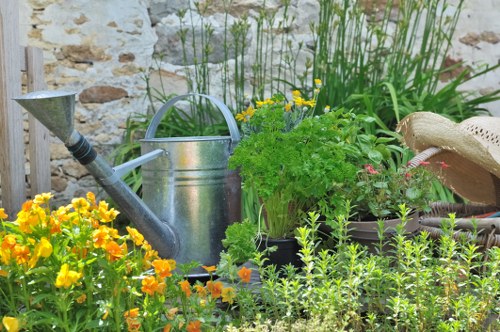
A clear process helps make the project easier to understand and less stressful to manage. While every garden is different, most Richmond projects follow a similar sequence from initial ideas to final completion. The main aim is to create a space that matches the brief, the site conditions, and the available budget without unnecessary delays.
The first stage is usually a conversation about what you want to achieve. This is where you can explain how the garden is used now, what is not working, and what you would like to change. It helps to talk about practical matters too, such as whether you need room for outdoor dining, a child-friendly lawn, planting that supports privacy, or a design that can be maintained with limited time.
After the initial discussion, the site is assessed in more detail. This can involve understanding dimensions, levels, access points, drainage concerns, existing materials, and any features that should be kept or removed. From there, the design can develop into a layout that shows how the different parts of the garden will fit together. Once approved, the build stage can be scheduled and carried out in a structured way. Clear planning at the start usually saves time and reduces disruption later on.
Typical stages of the work
Most garden design and build projects include some or all of the following:
- Initial consultation and site review
- Concept ideas and layout planning
- Material and planting selection
- Preparation and clearance of the site
- Groundworks, levels, and structural elements
- Hard landscaping such as paving, walls, and edging
- Installation of planting, turf, or sowing
- Lighting, irrigation, and finishing touches
- Final tidy-up and practical handover
Depending on the size and complexity of the project, some stages may overlap or require extra coordination. For example, a garden with difficult access may need deliveries timed carefully. A property with limited parking or shared access may need materials staged in a way that keeps disruption low. A local team that understands Richmond’s streets and property layouts can handle these details more smoothly.
If you are ready to begin, book your service now and ask for a tailored quotation based on your garden and your goals.
Preparing for your Richmond garden project

Good preparation makes the whole project easier. You do not need to have every detail decided before speaking to a professional, but it helps to think about how you want the garden to function and what matters most to you. If you are comparing different ideas, it can also help to consider whether your main priority is style, maintenance, family use, entertaining, privacy, or solving a practical issue such as drainage.
Richmond properties often have access or storage limitations that make planning especially important. Narrow paths, side returns, basement access, shared driveways, and parking restrictions can affect how materials are brought in and out. A local team can help factor these conditions into the schedule and method of work so the project is realistic from the outset.
If you are preparing to request a quote, it is useful to gather a few simple details. You do not need a technical plan; a rough idea is enough to start the conversation. Photos, measurements where available, and notes about what you would like to change can all help shape the first proposal. The clearer your starting point, the easier it is to build a design that suits you.
Helpful preparation checklist
Before your consultation, it can help to think through the following:
- How you use the garden now
- What you dislike about the current layout
- The features you would most like to add
- Whether maintenance should be minimal, moderate, or flexible
- Any privacy or screening concerns
- Drainage problems, uneven ground, or existing damage
- Whether children, pets, or frequent entertaining should be considered
- Any preferences for paving, planting, timber, or a particular style
- Access issues, parking limits, or timing restrictions
It is also useful to think about the long term. Some clients want a garden that matures gracefully over several years. Others want a cleaner, more finished look immediately. Either approach can work well if the design is planned correctly. A professional can help you choose plant combinations and materials that fit the way you live, not just how the space looks on day one.
Pricing factors and what affects the quote
Garden projects are always influenced by the scope of work, the condition of the site, and the materials chosen. Rather than thinking in terms of fixed pricing, it is more useful to understand the factors that shape a quotation. This helps you compare proposals more fairly and decide what should be prioritised if you are working within a set budget.
The main factors often include the size of the garden, the complexity of the layout, the amount of groundwork required, and the materials selected. A simple refresh of planting and edging will differ greatly from a full redesign with new paving, structural features, drainage work, and lighting. Access also has a major effect in Richmond, where some properties are straightforward to reach and others require more time and care to manage deliveries and on-site handling.
The condition of the existing garden matters too. If there is significant clearance work, old concrete to remove, poor drainage to address, or unstable structures to replace, those elements will affect the overall scope. On the other hand, a site that is already fairly level and has good access may allow for a more streamlined build. A proper site review is the best way to understand what is involved.
Common factors that influence cost
- Garden size and layout complexity
- Extent of demolition, clearance, or waste removal
- Groundworks, levelling, and drainage requirements
- Type and quantity of paving or decking materials
- Quantity and maturity of planting
- Lighting, irrigation, and electrical considerations
- Access constraints and delivery logistics
- Structural elements such as walls, steps, and screens
- Whether the garden is residential or commercial
A well-planned design can often save money in the long run by reducing unnecessary changes during construction and by selecting materials that suit the site properly. It can also help you phase the work if you prefer to tackle the project in stages. That can be a sensible option for larger gardens or properties with multiple outdoor areas.
For a clear picture of what your project may involve, contact us today to discuss the layout, goals, and site conditions.
Why choose a local Richmond company
Choosing a local company for garden design and build in Richmond brings practical advantages that matter to real customers. Local teams are generally more familiar with the style of homes in the area, the expectations of nearby residents, and the logistics of working in streets where access may be tight or parking limited. They are also better placed to respond quickly, arrange site visits efficiently, and understand the kinds of solutions that work well in Richmond and the surrounding neighbourhoods.
A local approach is also useful because it supports better communication. When a project involves design decisions, material selection, and build coordination, it helps to have a team that can visit the site, inspect conditions properly, and adapt the plan if needed. That is particularly valuable where a property has unusual dimensions, sloping ground, mature trees, or shared boundaries. A team that regularly works in the area is more likely to anticipate these issues before they become problems.
There is also a strong benefit in choosing a team that works with both domestic and commercial clients. A local specialist who understands the expectations of Richmond homeowners, landlords, and business owners can design spaces that look polished but remain practical to maintain. That combination of aesthetic awareness and build knowledge often leads to more efficient projects and more satisfying results. Local experience is not just convenient; it can shape a better outcome.
Areas commonly covered
Services often extend across Richmond and nearby locations such as Kew, Twickenham, East Sheen, Barnes, St Margarets, Mortlake, Ham, Petersham, Isleworth, and surrounding parts of southwest London. The exact service area can vary depending on the project size and type, but the core advantage remains the same: working with a team that understands local properties and local working conditions.
For customers comparing options, it is often worth asking how the service will handle access, waste removal, material delivery, and any site-specific challenges. Those practical details can make a significant difference to the overall experience. A strong local company will be ready to discuss them openly and help you understand what is realistic for your property.
Frequently asked questions
Do I need a full design before work begins?
Not always. Some customers want a complete layout and planting plan before any build work starts, while others prefer a more flexible approach that develops as the project progresses. A design-first process is often best for more complex gardens, but smaller or simpler projects may only need a clear layout and agreed material choices.
Can you help with both planting and hard landscaping?
Yes. Many Richmond customers want a service that covers both structural elements and planting so the final result feels cohesive. Hard landscaping provides the framework, while planting brings softness, colour, and seasonal interest. Combining the two usually creates a more balanced and usable garden.
What if my garden has poor access?
Poor access is common in some Richmond properties, especially terraces, courtyards, and homes with narrow side returns or limited parking. It does not necessarily prevent the work from going ahead, but it does need to be planned carefully. A local team can assess delivery routes, storage space, and any handling restrictions before the project starts.
Can a small garden still make a big difference?
Absolutely. Smaller gardens often benefit the most from thoughtful design because every metre counts. Better layout, smart planting, and well-chosen materials can make a compact space feel larger, tidier, and more enjoyable. Even modest changes can significantly improve how a small Richmond garden is used.
How long does a project usually take?
Timescales vary depending on the size and complexity of the work, the weather, the materials chosen, and the site conditions. A simple refresh may be completed relatively quickly, while a full redesign with construction, planting, and finishing details will naturally take longer. A proper quotation stage should give you a realistic sense of timing.
Can you work on commercial properties as well as homes?
Yes. Commercial customers often need outdoor spaces that are durable, presentable, and easy to maintain. That may include entrances, courtyards, seating areas, and planting schemes that keep their structure through the seasons. A design-and-build approach is often useful because it keeps the project coordinated from start to finish.
What should I do first if I want to move ahead?
Start by thinking about your main objectives, taking a few photos, and noting any access or site issues. Then ask for an initial discussion so the team can understand what you need and what the garden can realistically support. Request a free quote when you are ready to take the next step.
If you want a garden that suits your property, your lifestyle, and the character of Richmond, a carefully planned design and build service can make all the difference. From first ideas to the finished space, the right team can help you create something attractive, durable, and practical. Book your service now and begin turning your outdoor area into a garden you can genuinely enjoy.